
China Top TFT LCD Touch Screen Display Manufacturer?

Time:2026-10-16 Author:Oliver
0%

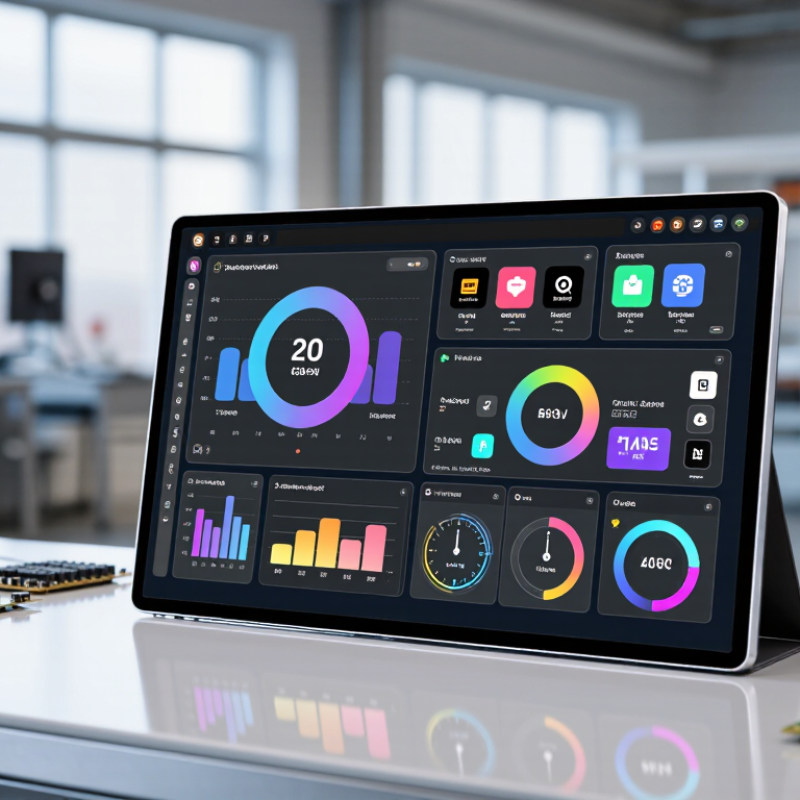
China has become a major manufacturing base for the Tft Lcd Touch Screen Display industry. Its strength extends beyond low-cost assembly. Chinese suppliers increasingly combine TFT panel production, capacitive touch sensors, cover glass, optical bonding, and final inspection under one supply chain.

Omdia’s display market research continues to identify LCD as a durable technology for automotive, industrial, medical, retail, and consumer applications. Its long-term display demand forecasts also show that LCD remains important where brightness, reliability, and cost matter. IDC reported strong global tablet shipment growth in 2024, creating renewed demand for medium-sized touch displays. These figures do not prove that every Chinese supplier offers equal quality. They show market opportunity, not automatic trust.

That distinction matters.

Bob Raikes, founder of Display Daily, has observed, “The display industry is a very cyclical industry.” His comment explains why buyers should assess more than a factory quotation. Panel consistency, dead-pixel control, touch sensitivity, sunlight readability, operating temperature, and production traceability require practical verification. A reliable China Tft Lcd Touch Screen Display manufacturer should provide clear datasheets, sample testing, aging-test records, and certification evidence. It should also explain weaknesses honestly.

Some suppliers still present incomplete technical information. That is a warning sign. This guide examines leading Chinese manufacturers through product capability, engineering experience, customization depth, quality systems, delivery performance, and after-sales support. The ranking may not fit every project, because a medical monitor and a handheld terminal need different display priorities. Yet careful comparison can reduce costly sampling errors and reveal which manufacturer truly matches your application.
China Top TFT LCD Touch Screen Display Manufacturer?

Definition of TFT LCD Touch Screen Displays

China Top TFT LCD Touch Screen Display Manufacturer?

Definition of TFT LCD Touch Screen Displays

A TFT LCD touch screen combines two systems: image production and human input. Thin-film transistors control individual pixels behind the liquid-crystal layer. A backlight supplies illumination. The touch sensor detects a finger through changes in capacitance or pressure.

It sounds simple. It is not.

Display quality depends on several measurable factors. These include brightness, contrast, viewing angle, response time, touch accuracy, and surface durability. In a 2024 report, IDC recorded approximately 147.6 million tablet shipments worldwide. That volume reflects continuing demand for reliable, thin, interactive panels.

Omdia’s long-term display demand research also indicates that LCD technology will remain important across large-area applications for years. Manufacturing experience matters here. Engineers must control pixel defects, dust contamination, bonding alignment, and touch noise during production. A panel may look clear in the factory, yet fail under sunlight or with wet fingers. That is an easy detail to underestimate.

For industrial equipment, medical interfaces, vehicles, and smart devices, the correct TFT LCD display requires more than a suitable diagonal size. Designers should verify operating temperature, glove operation, optical bonding, interface compatibility, and lifetime testing. Data sheets help, but hands-on validation remains necessary. Some specifications still look better on paper than in real use.

Key Technologies Used in TFT LCD Touch Screens

Choosing a China-based TFT LCD touch screen manufacturer requires more than comparing prices. Key technologies determine image quality, touch accuracy, and product life.

A TFT backplane controls each pixel through thin-film transistors. Higher pixel density produces sharper text and smoother images. IPS structures offer wide viewing angles and stable colors. The backlight needs uniform LEDs, precise diffusion films, and controlled brightness. Poor light distribution creates visible bright spots. It happens more often than expected.

Projected capacitive touch technology uses transparent conductive layers, commonly formed with fine ITO patterns. A touch controller detects changes in electrical fields across the panel. Its firmware must reject noise from chargers, motors, and nearby displays. Glove touch and wet-finger performance require careful sensor tuning. Cover glass thickness also affects sensitivity and response time.

Optical bonding reduces air gaps between the LCD, touch sensor, and cover glass. This improves outdoor readability and reduces internal reflections. It can also increase assembly difficulty and repair costs. Engineers should test temperature cycling, humidity, vibration, repeated touch points, and long operating hours. Calibration data should be recorded for every production batch. No design is perfect. A practical manufacturer should disclose limitations, not hide them behind impressive samples. Reliable results come from traceable materials, controlled assembly, and measured performance.

China’s TFT LCD Touch Screen Manufacturing Industry

China’s TFT LCD touch screen manufacturing industry has become a major global production base. Omdia’s 2024 Display Long-term Demand and Supply Report places China at roughly 70% of global LCD capacity. This scale supports stable output for automotive panels, industrial monitors, medical devices, and consumer electronics.

Production strength is visible on the factory floor. Large glass substrates move through cleanrooms, while optical bonding, touch sensor lamination, and aging tests follow strict process controls. TrendForce’s 2024 large-size TFT-LCD analysis shows continued capacity expansion in China, especially for high-generation production lines. These lines improve glass utilization and reduce panel costs. The benefit is practical.

However, capacity alone does not guarantee reliable touch displays. Engineers still manage dead pixels, uneven backlights, contamination, and touch noise. The touch layer must respond through gloves, moisture, and repeated pressure. Small calibration errors can become visible during field use. This is where manufacturing experience matters.

China’s supply chain is also becoming more complete, covering glass, polarizers, driver components, coatings, and testing services. Yet some high-end materials and precision equipment remain areas for improvement. That gap deserves honest review. Reports from CINNO Research indicate China’s display panel capacity continues to grow, but utilization can change sharply with demand cycles. Manufacturers therefore need flexible production, traceable quality records, and realistic delivery planning rather than impressive capacity figures alone.

China Top TFT LCD Touch Screen Display Manufacturer? - China’s TFT LCD Touch Screen Manufacturing Industry

Industry Dimension Common Specification or Segment Typical Characteristics Touch Screen Integration Primary Applications Manufacturing Considerations
Display Technology TFT LCD Active-matrix liquid-crystal display technology using thin-film transistors to control individual pixels. Usually integrated with a capacitive or resistive touch layer. Industrial equipment, vehicles, medical devices, consumer electronics, and control panels. Requires precise cell assembly, backlight integration, polarizer alignment, and optical inspection.
LCD Mode TN, IPS, and VA TN generally offers fast response and lower cost; IPS provides wide viewing angles and stable color; VA provides high contrast. All three modes can be combined with projected capacitive touch technology. TN: basic instruments; IPS: professional and mobile displays; VA: high-contrast panels and larger screens. Selection depends on viewing angle, contrast, response time, cost, and operating environment.
Common Display Sizes 2.4–3.5 in, 4–7 in, 8–12.1 in, 13.3–15.6 in, and above 17 in Small panels suit portable equipment, while larger panels support dashboards, terminals, and human-machine interfaces. Touch sensors can be matched to the active display area and cover-glass outline. Handheld devices, POS terminals, vehicle displays, factory HMIs, and kiosk systems. Size affects glass handling, backlight design, mechanical strength, yield, and logistics cost.
Typical Resolutions 320 × 240, 480 × 272, 800 × 480, 1024 × 600, 1280 × 800, and 1920 × 1080 pixels Resolution is selected according to screen size, viewing distance, image detail, and processing capability. Touch-controller firmware must support the selected sensor geometry and coordinate accuracy. Embedded displays, dashboards, medical interfaces, industrial panels, and smart terminals. Higher resolution generally increases data bandwidth, graphics requirements, and inspection complexity.
Touch Technology Projected capacitive touch Supports multi-touch input and is widely used with glass-surface interfaces. Available as a separate sensor, glass-sensor structure, or fully bonded module. Consumer devices, automotive displays, retail terminals, and industrial HMIs. Requires attention to noise immunity, glove operation, water rejection, sensitivity, and controller tuning.
Touch Technology Resistive touch Responds to pressure and can be operated with a finger, stylus, or gloved hand. Commonly used where input flexibility and cost are more important than multi-touch performance. Industrial instruments, legacy equipment, medical devices, and harsh-use terminals. Requires protective layers and careful control of surface durability, pressure response, and calibration.
Optical Structure Air-gap, partial optical bonding, or full optical bonding Full optical bonding reduces internal air gaps and can improve readability and mechanical robustness. Touch sensor, cover glass, and LCD are laminated into a single display assembly in fully bonded designs. Outdoor equipment, transportation displays, industrial systems, and high-end interfaces. Bonding materials and processes must control bubbles, contamination, alignment, curing, and rework risk.
Brightness Range Approximately 250–1,500 cd/m², depending on application Standard indoor displays commonly use lower brightness, while sunlight-readable products require higher output. Cover-glass transmission, sensor transparency, and anti-reflection treatment influence perceived brightness. Indoor control panels, vehicle displays, outdoor kiosks, and marine or transportation equipment. Higher brightness increases power consumption and thermal-management requirements.
Viewing Angle Approximately 60°–89° per direction, depending on LCD mode IPS and advanced VA panels generally provide wider viewing angles than conventional TN panels. Touch accuracy should remain stable across the intended viewing and operating area. Public terminals, vehicle displays, collaborative interfaces, and multi-user equipment. Optical compensation films and panel-mode selection affect viewing performance and cost.
Operating Temperature Typical commercial: 0°C to 50°C; extended industrial ranges may reach approximately −20°C to 70°C Actual limits vary by LCD cell, backlight, touch sensor, adhesive, controller, and enclosure design. Touch performance must be validated throughout the specified temperature range. Factory automation, outdoor terminals, transportation, energy systems, and monitoring equipment. Temperature testing should include start-up, storage, humidity, condensation, and long-duration operation.
Interface Options RGB, LVDS, MIPI DSI, HDMI, USB, and I²C Display interfaces connect the panel to the host system, while touch controllers commonly use USB or I²C. Display and touch interfaces may be supplied separately or through an integrated module design. Embedded systems, computing devices, industrial controllers, and smart terminals. Interface selection depends on bandwidth, cable length, electromagnetic compatibility, and host-platform support.
Cover Glass Options Clear, anti-glare, anti-reflective, chemically strengthened, or printed glass Cover glass protects the touch sensor and can be customized for appearance and environmental performance. Glass thickness, surface treatment, and edge shape influence touch sensitivity and mechanical strength. Automotive, medical, industrial, retail, and consumer-facing equipment. Design validation should cover impact resistance, scratch resistance, chemical exposure, and cleaning cycles.
Manufacturing Capability Module assembly, touch integration, optical bonding, firmware tuning, and quality inspection Chinese manufacturing supply chains commonly support customized dimensions, interfaces, front panels, and mechanical structures. Integrated development can reduce alignment issues between the LCD, touch sensor, cover glass, and controller. Original equipment manufacturing, original design manufacturing, replacement modules, and project-based customization. Supplier evaluation should include process control, traceability, sample approval, reliability testing, and after-sales support.
Quality Verification Visual inspection, electrical testing, touch testing, aging, temperature cycling, humidity, and vibration testing Testing confirms display uniformity, dead-pixel control, touch accuracy, durability, and environmental reliability. Touch testing should cover edge performance, multi-touch response, noise immunity, and operation with gloves where required. All sectors, with stricter validation for medical, automotive, transportation, and industrial products. Acceptance criteria should be defined before mass production and linked to the final application environment.
Note: Specifications are representative industry ranges and may vary by panel structure, application requirements, supplier process capability, and certification target.

How to Evaluate a Chinese Display Manufacturer

China Top TFT LCD Touch Screen Display Manufacturer?

How to Evaluate a Chinese Display Manufacturer

Choosing a Chinese TFT LCD touch screen manufacturer requires more than comparing prices. Ask how the factory controls quality from glass cutting to final inspection. A reliable supplier should provide clear specifications, including brightness, viewing angle, touch accuracy, operating temperature, and expected service life. Request recent test reports from qualified laboratories. Check whether the reports match the exact display model, not a similar sample.

A factory visit can reveal practical details. Look at cleanroom procedures, humidity control, calibration equipment, and aging-test stations. Ask to trace one finished panel back to its raw materials. Serial numbers should connect production records, inspection results, and shipment dates. Review the supplier’s quality certificates, engineering team experience, and failure-analysis process. An experienced manufacturer will explain causes, not only promise replacements.

Request samples before approving mass production. Test them with your own controller, enclosure, gloves, and lighting conditions. Check touch response near the edges. Test the display after heat, cold, vibration, and repeated cleaning. I once trusted a bright sample that performed poorly behind protective glass. That mistake was costly. Communication also matters. Slow answers may indicate weak project management, though this is not always true. Discuss tooling ownership, minimum order quantities, warranty terms, repair procedures, and change notifications in writing. A dependable partner should welcome difficult questions. Vague answers deserve another inspection.

Applications and Customization Options for TFT LCD Displays

China Top TFT LCD Touch Screen Display Manufacturer?

TFT LCD displays support medical monitors, industrial panels, vehicle dashboards, kiosks, and smart appliances. Mordor Intelligence estimates the global TFT LCD market at about US$168 billion in 2024. It also projects continued growth through 2029. Demand is moving toward brighter, thinner, and more interactive screens.

Customization begins with the working environment. A factory panel may need glove touch, wide temperature operation, and high brightness above 1,000 nits. A medical display may require stable grayscale performance, optical bonding, and easy cleaning. Designers can adjust screen size, resolution, viewing angle, interface, cover glass, touch technology, and mounting structure. Sunlight creates reflections. Dust creates failures. These details matter more than impressive specifications alone.

Tips: Confirm the operating temperature, cable direction, and touch response before sampling. Ask for optical, electrical, and lifetime test data. According to MarketsandMarkets, the touchless sensing market is expanding as devices become more interactive, but conventional projected-capacitive touch remains practical for many products. A perfect specification rarely exists. A brighter panel can increase heat and power use. A thinner module may reduce mechanical strength. Engineers should test the complete assembly, not only the display sample. Small mistakes often appear after installation.

FAQS

What is a TFT LCD touch screen?

It combines pixel control, liquid crystals, backlight illumination, and touch sensing. Thin-film transistors control individual pixels. The touch layer detects finger contact through electrical changes or pressure.

Which specifications matter when selecting a touch display?

Check brightness, contrast, viewing angle, response time, touch accuracy, and surface durability. Also review temperature range, glove operation, interface compatibility, and expected service life.

Why can a display look good indoors but fail outdoors?

Reflections, weak brightness, and poor light distribution reduce readability under sunlight. Optical bonding can reduce air gaps and internal reflections. Outdoor testing is essential.

How does projected capacitive touch technology work?

Transparent conductive patterns detect changes in the electrical field. A touch controller interprets those changes as input. Chargers, motors, and nearby screens can create interference.

Can the screen work with gloves or wet fingers?

It can, but performance depends on sensor tuning, glove thickness, and cover glass design. Test several gloves and wet-finger conditions. Paper specifications may not tell the whole story.

What manufacturing controls should a reliable supplier provide?

Request evidence of dust control, bonding alignment, pixel inspection, calibration, and aging tests. Production records should connect serial numbers with materials and inspection results. Traceability matters.

How should samples be tested before mass production?

Use your own controller, enclosure, gloves, and lighting conditions. Check edge touch response and screen clarity. Test heat, cold, vibration, and repeated cleaning. Do not rush.

What should be discussed before signing a production agreement?

Confirm tooling ownership, minimum order quantities, warranty terms, repair procedures, and change notifications. Ask about failure analysis, not only replacement promises. Vague answers deserve another inspection.

Conclusion

A Tft Lcd Touch Screen Display combines a thin-film transistor liquid crystal panel with a touch-sensitive layer, enabling clear visual output and intuitive user interaction. This technology commonly relies on capacitive or resistive touch sensing, LED backlighting, high-resolution color control, protective cover glass, and interface technologies that support efficient communication with electronic systems. Together, these components determine brightness, viewing angles, touch accuracy, response time, durability, and power consumption.

China has developed a strong manufacturing base for TFT LCD touch screens, offering a wide range of standard and customized solutions. When evaluating a Chinese display manufacturer, buyers should consider production capabilities, quality-control procedures, technical support, sample performance, delivery reliability, certification, and experience with custom dimensions or interfaces. These displays can be adapted for industrial equipment, medical instruments, smart appliances, automotive systems, retail terminals, and consumer electronics. Customization may include screen size, resolution, brightness, touch sensitivity, cover glass shape, bonding method, operating temperature, and connector design.

Oliver

Oliver

Oliver is a seasoned marketing professional with a wealth of expertise in driving brand awareness and engagement. With a deep understanding of our company's product offerings, he consistently delivers high-quality content that enriches our professional blog. His insights not only shed light on......